
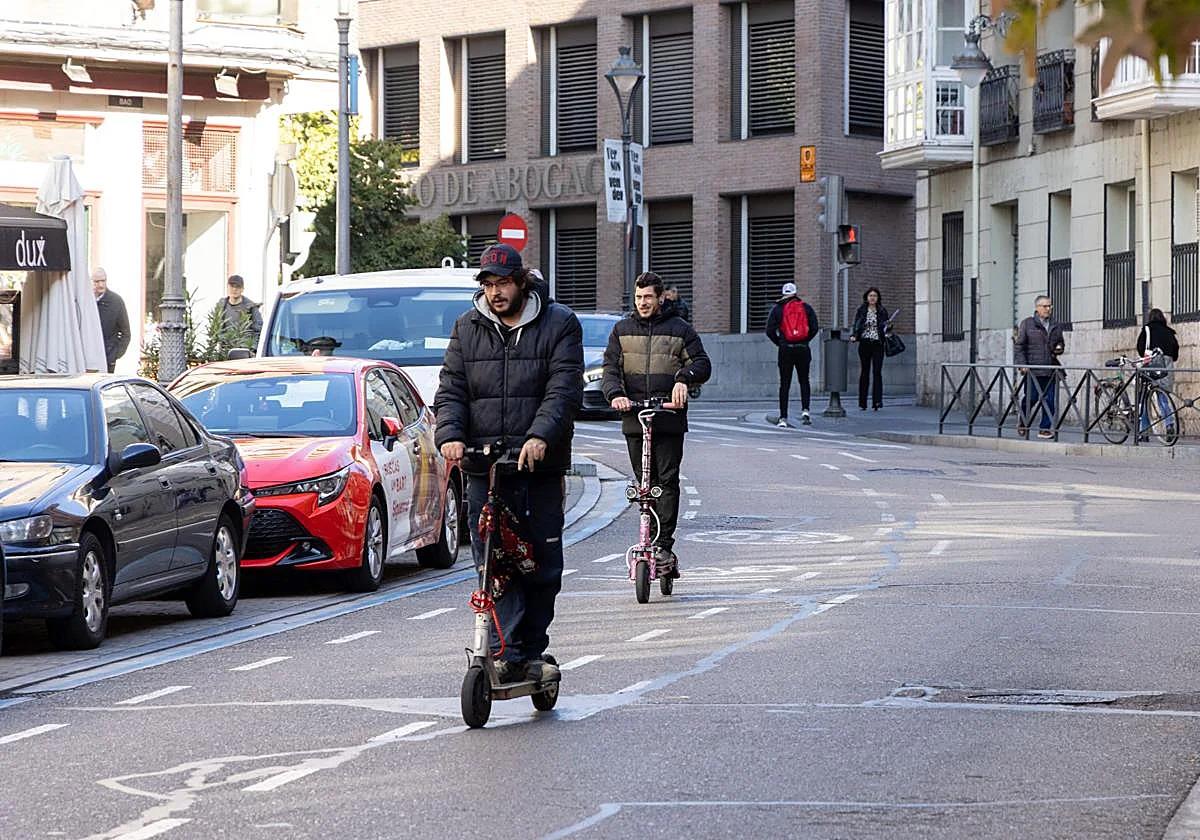
The regulation will come into effect on 2 January and cover for this type of personal mobility vehicle is expected to cost between 20 and 100 euros per year
Electric scooters have reshaped the urban transport landscape in recent years as a practical, inexpensive and sustainable solution that, until now, did not have too many requirements. Still, with liability insurance becoming mandatory for riding this type of vehicle on the streets of Spain in six weeks’ time, many users are rethinking their options for getting around the city. “First, they banned me from charging the battery at the office and then from taking it on the bus. If I now have to pay for insurance, I’ll consider selling it and buying a motorcycle, which is at least faster,” says one scotter user, Manuel Fernández.
The situation for this Seville resident illustrates the transitional phase that this mode of transport is currently experiencing. Spain’s new auto insurance law, formally passed in July, introduces a specific category: light personal vehicles (LPV, or PVL in Spanish). This term encompasses electric-powered devices of one or more wheels, a single seat and limited speeds: between 6km/h and 25km/h if they weigh less than 25 kilos and between 6km/h and 14km/h if they exceed this weight. This means practically all scooters on the market, plus segways, electric unicycles and hoverboards.
Until now, taking out insurance has been voluntary – except in cities such as Alicante, Benidorm, Castellón and Cordoba, where it is already compulsory – and insurance companies now offer specific cover for scooters, with policies ranging from 20 to 100 euros per year. These products, which allow multiple scooters to be covered under the same policy, primarily include civil liability coverage for personal injury or material damage that the user may cause to third parties, as well as the required legal defence costs and bail fees in the event of any claims