
Olive oil price crisis affects producers in the Region of Murcia as farm-gate prices fall
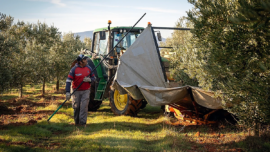
The Ministry of Agriculture has ordered olive oil mills to withdraw 12% of national production from the market in an effort to stabilise supply and prices ahead of the 2026/2027 season.
The 2026/2027 olive oil campaign has begun slowly in the Region of Murcia, with little activity reported at local mills. The sector is facing falling prices amid increased olive supplies, surplus stocks from the previous harvest and imports from countries including Tunisia, Morocco, Algeria and Turkey.
The decline in prices has prompted the Ministry of Agriculture to introduce a measure requiring olive oil mills to temporarily withdraw part of their production from the market. The aim is to bring supply and demand into better balance and address instability in the sector.
Current prices are reportedly below production costs for many olive growers. Mills have so far been reluctant to offer purchase prices to farmers, leaving producers uncertain about when to sell their olives.
Pascual García, from the La Purísima cooperative in Yecla and spokesperson for the olive oil sector at the Federation of Agricultural Cooperatives of Murcia (Fecoam), says mills have been unwilling to establish prices while the market continues to fall.
“Until November arrives, the mills don’t want to set prices; prices are constantly falling and farmers, with such low prices, don’t know what to do either,” he said.
Ministry orders withdrawal of 188,000 tonnes
The Ministry of Agriculture has published a resolution requiring olive oil mills to withdraw 12% of national production, equivalent to 188,000 tonnes, from the market during the current campaign.
National production is forecast at 1.6 million tonnes, approximately 23% higher than the previous season. However, agricultural organisations and cooperatives, including COAG, Asaja and UPA, estimate that the final figure could exceed two million tonnes.
These organisations had been calling for intervention since October, arguing that action was needed to address falling prices.
According to forecasts from the Ministry, the Region of Murcia is expected to produce approximately 10,300 tonnes of olive oil. This represents a reduction of almost 4,000 tonnes compared with the previous harvest.
Despite the decline, Murcia is expected to rank as Spain’s seventh-largest producing region, accounting for 0.6% of national production. Andalusia remains the country’s leading producer and a major influence on olive oil prices.
The measure follows demands from agricultural representatives who demonstrated in Madrid on 28 October. During the protest, sector representatives called on Agriculture Minister Luis Planas to withdraw 20% of production to help halt the decline in prices.
The Ministry has opted for a 12% withdrawal. It said the measure was intended to “guarantee the profitability of farmers and also protect the interests of olive oil buyers”.
Prices fall sharply compared with previous season
Olive prices at the start of the current campaign have ranged between €0.36 and €0.40 per kilogram.
This represents a considerable fall compared with the previous season, when prices ranged from €0.80 to €1 per kilogram.
The decline has raised concerns among growers and industry representatives about the financial viability of production.
Inés Martínez, president of the Murcian Association of Industrial Olive Mills, argues that minimum prices should be established when olives are purchased to provide greater protection for both farmers and producers.
She also questions whether removing olive oil from the market is an effective way of addressing the situation.
The coming weeks will be important for the sector as mills and farmers assess market conditions and the impact of the Ministry’s intervention.
Editorial note: I have retained the figures and claims as reported in the supplied article. I have not independently verified them. There is also a discrepancy worth checking before publication: the Ministry’s forecast is 1.6 million tonnes, while agricultural organisations estimate more than two million tonnes. These figures should remain clearly attributed to their respective sources.