Spain extends 20-cent fuel discount on petrol and diesel until the end of 2026
The government will maintain the 20-cent-per-litre reduction in December, while annual inflation remained at 4.9% in October, driven partly by higher gas prices.
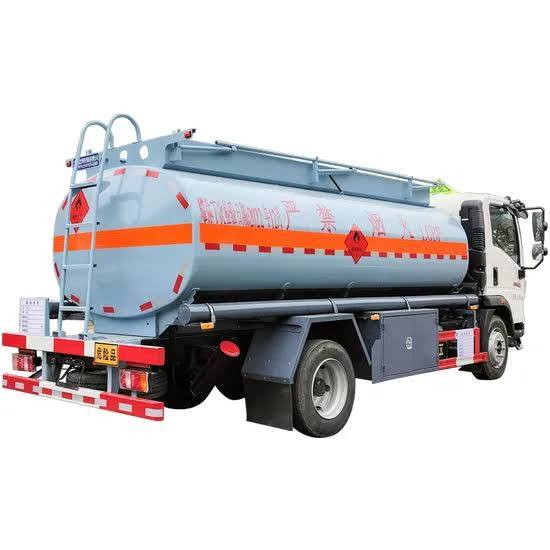
Spain’s government will extend its 20-cent-per-litre reduction on petrol and diesel until the end of December, following the latest inflation figures published by the National Statistics Institute (INE).
Annual inflation stood at 4.9% in October, unchanged from September, according to figures confirmed by the INE on Friday, 13 November. This is the highest rate recorded since February 2023 and the third consecutive month in which inflation has remained above 4%.
The extension of the fuel discount follows a significant increase in energy costs over the past year. Diesel prices have risen by 36%, while petrol prices are more than 20% higher, with the increases linked to the conflict involving the United States and Iran.
Under the government’s anti-crisis measures, the 20-cent reduction per litre applies to both petrol and diesel. The extension follows the October inflation figures, which showed that annual price increases for both fuels remained above the 15% threshold required to activate the safeguard provision.
Fuel prices fall while gas becomes more expensive
Despite the annual increases, petrol prices fell in October following the introduction of the government’s support measures.
According to the INE, petrol became 6.1% cheaper compared with September. Diesel, however, increased by 1.2% over the same period.
The fall in fuel prices helped moderate inflation, but the reduction was offset by higher gas costs. Gas prices rose by 5.2% month-on-month, taking their increase since the beginning of the year to 4.8%.
Higher energy costs also contributed to inflation in the housing category, where annual price increases reached 7.6% in October.
The government has also maintained a cap on increases to the regulated natural gas tariff, known as the TUR, limiting the rise to 15%. This measure is also due to remain in force until the end of the year.
Food and clothing contribute to October’s inflation figures
Core inflation, which excludes energy and fresh food prices, remained at 3.1%. This is its highest level since March 2024.
Consumer prices increased by 0.6% between September and October.
Clothing and footwear recorded the largest monthly increase among the main categories, rising by 7.9% as the autumn-winter season began.
Food prices increased by 1.2%, with higher costs for fruit and nuts contributing to the rise, alongside increases in vegetables, pulses, potatoes, fish and seafood.
The housing category increased by 1.3% over the month, mainly because of higher gas prices and, to a lesser extent, electricity costs.
Among individual products, citrus fruit recorded one of the largest increases, rising by 22.5% in October. International air travel also became more expensive, with prices increasing by 16.6%.
Petrol recorded the biggest price reduction, falling by 6.1%, while hotels, holiday apartments and other accommodation became 5.8% cheaper.
Inflation forecasts revised upwards
The continuing rise in prices has prompted economic institutions to revise their inflation forecasts.
Spanish economic think tank Funcas expects inflation to remain at around 4.5% in the coming months.
The Bank of Spain has also increased its forecast for 2026, estimating average annual inflation of 3.9%. This is 0.3 percentage points higher than its previous projection.
Meanwhile, the Harmonised Index of Consumer Prices (HICP), used to compare inflation between European countries, stood at 4.9% annually in October, 0.1 percentage points below the previous month’s figure.
The extension of the fuel discount and the continuation of the regulated gas tariff measure are intended to provide some relief to households as Spain faces continued pressure from rising energy and living costs.